Milk Production
Honey Bees production
hatcheries Production
Dairy production
Empowering Global Food Chains
The Work of Magi Group in Meat and Agricultural Trading
The Magi Group of Companies is a dynamic force in the international meat and agricultural trading sector, distinguishing itself through a comprehensive approach that integrates sourcing, processing, global distribution, and specialized industry training. The group is dedicated to ensuring high-quality, safe, and sustainably-sourced food products reach markets worldwide.
Global Trading Operations: From Farm to Fork
Magi Group’s core business revolves around meticulously managed international trading operations for a diverse range of products. Their commitment to international hygiene, safety, and compliance standards is central to their operations.
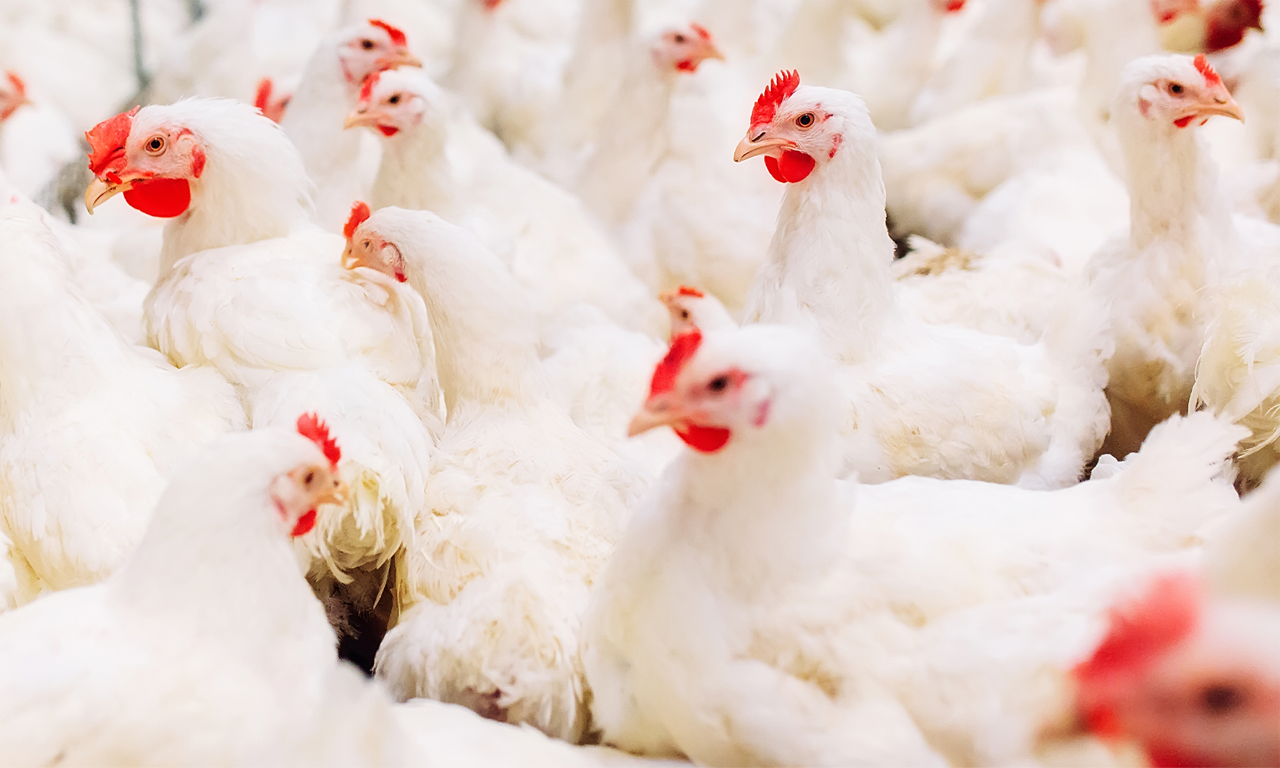
Poultry Production
Based on the listed services of the Magi Group of Companies, their involvement in poultry production would likely fall under their Animal Production and Agricultural Production divisions, supported by their integrated services, Broilers are distinct from layer chickens (raised for eggs) due to intense genetic selection focusing on specific performance traits, The broiler chicken is the powerhouse of global poultry meat production. These specialized birds are the culmination of decades of genetic selection, optimized not for laying eggs, but for one purpose: rapid, efficient conversion of feed into muscle mass.
Core Areas of Involvement
- The Broiler: The broiler chicken is the powerhouse of global poultry meat production. These specialized birds are the culmination of decades of genetic selection, optimized not for laying eggs, but for one purpose: rapid, efficient conversion of feed into muscle mass.
- Egg-producing poultry: Layers are female chickens (hens) specifically bred and raised for their primary purpose: consistent, high-quality egg production for human consumption. Unlike broilers, layers are selected for longevity and productivity over a long laying cycle, rather than rapid weight gain.
- Parent Stock (PS): refers to the breeding birds—the specialized male (roosters/cocks) and female (hens) chickens—that are raised exclusively to produce hatching eggs. These eggs are then incubated to produce the chicks that become either commercial Broilers (for meat) or commercial Layers (for table eggs).
- Grandparent Stock (GP): The primary breeders maintain Pure Lines (or Foundation Lines), which are cross-bred to create GGPS, then GP stock. The GP stock is the result of a specific two-way cross designed to create strong, genetically uniform birds ready to produce the final commercial hybrid chicks.
Red Meat Production
Based on general global production trends, the ranking among the animals Red Meat Production of “goats, sheep, cows, camels, wild animals”.
Core Areas of Involvement
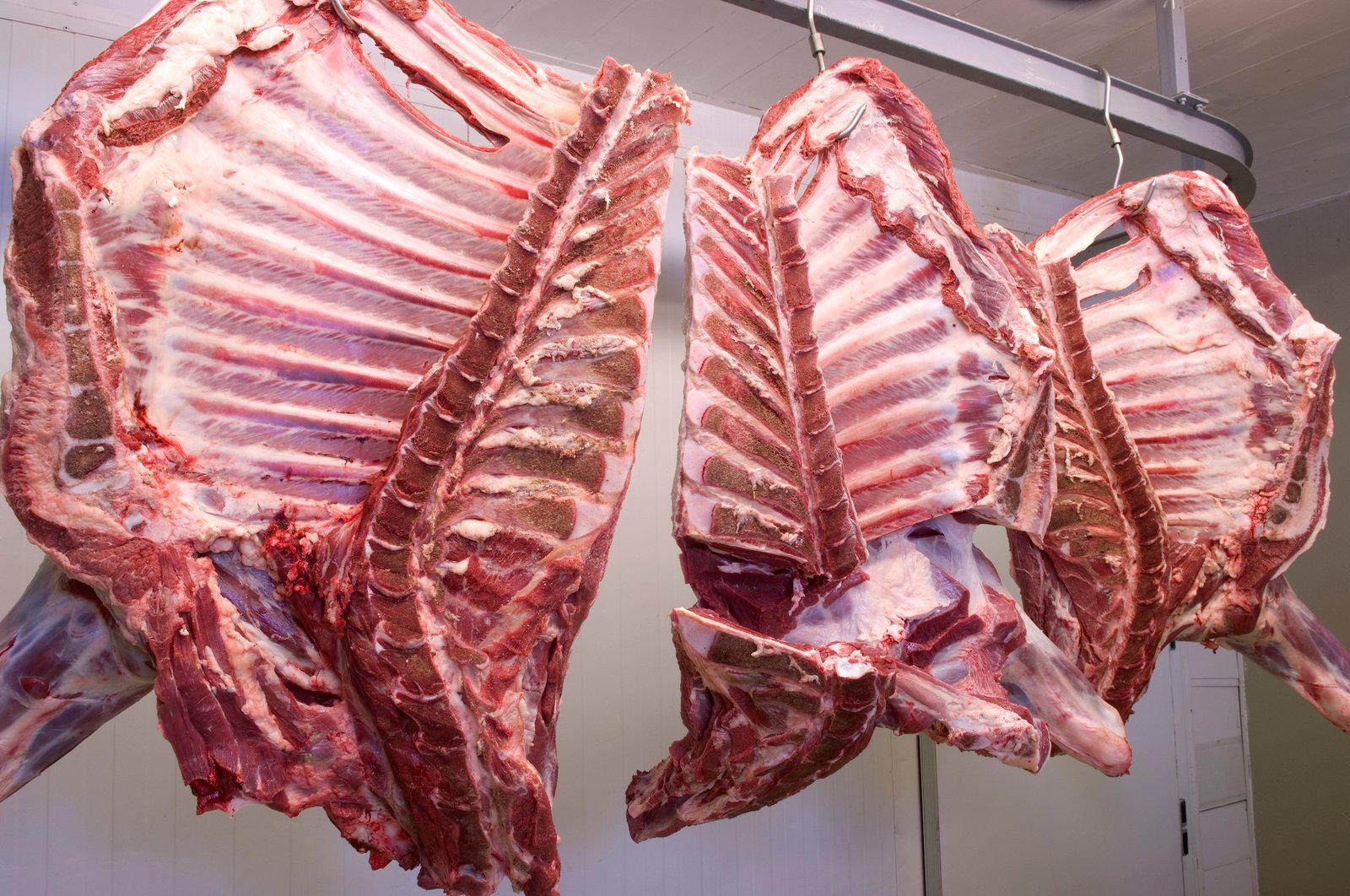
Cows (Cattle): Produces beef (and veal), which is generally the third most consumed meat globally after pig meat and poultry. Cattle production is massive in terms of tonnage.
- Sheep & Goats: These are often grouped together as small ruminants.
- Sheep: Produces mutton and lamb. This category is a significant contributor to global red meat supply.
- Goats: Produces goat meat, which is important in many developing nations and contributes to the overall small ruminant meat total.
Camels: Meat production from camels exists but is much smaller globally compared to cattle and sheep/goats. They are crucial in arid regions where other livestock struggle.
Wild Animals (Game): This category includes meat from hunted wild animals. While important for subsistence or in specific markets, data on its global commercial production is often not systematically tracked alongside farmed livestock, making direct comparison difficult.
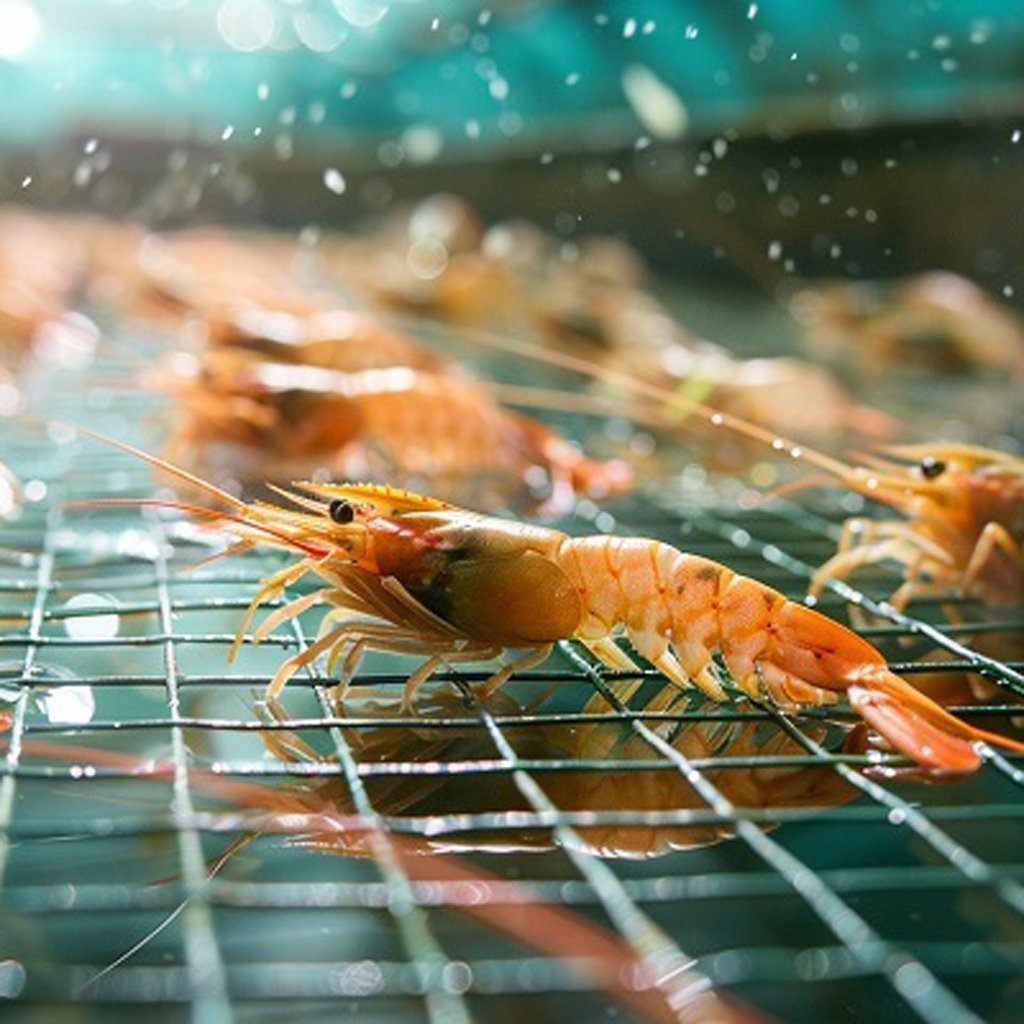
Shrimp production in closed farms
The shrimp production project being undertaken by the MAGI Group of Companies is positioned as a highly promising venture within the aquaculture industry.
- Profitability: It is characterized as one of the very profitable projects in aquaculture.
- Market Potential: The project is tied to an industry segment that is projected to reach a market size of several million dollars per year.
- Farming Method: The production specifically utilizes closed farms, indicating an advanced or controlled environment aquaculture system.
Core Areas of Involvement
Based on general industry knowledge about closed shrimp farming, here is what contributes to high profitability, which the MAGI Group is likely leveraging:
- High Density & Yield: Closed systems, like Recirculating Aquaculture Systems (RAS), allow for significantly higher stocking densities, leading to much greater output (production capacity can sometimes be doubled or tripled per unit area) ($\text{kg}/\text{m}^3$).
- Controlled Environment: Being closed systems, they offer superior control over water quality, temperature, and disease. This drastically reduces the risk of mass mortality events which are devastating in open systems, leading to more reliable harvests.
- Premium Pricing: Producers in controlled environments can often market their shrimp as local, fresh, and sustainably produced with low environmental impact, allowing them to charge a premium price.
- Operational Efficiency: Well-managed indoor farms can achieve high Feed Conversion Ratios (FCRs) (e.g., $1.2:1$ to $1.6:1$), meaning they use less feed to produce the same amount of shrimp, significantly cutting the largest variable cost.
- Financial Outcomes: Some studies on indoor shrimp farming suggest that well-managed operations can achieve net profit.
Livestock Research & Genetic Enhancement
Pioneering Sustainable Protein, The Research Focus of the MAGI Group of Companies Group of Companies
The hypothetical MAGI Group of Companies aims to be a leader in sustainable protein creation, integrating advanced technology across its Livestock and Aquaculture divisions to ensure high yield, efficiency, and traceability from farm to consumer. The MAGI Group of Companies, being a major player in the national export of Halal meat and diverse agricultural commodities, fundamentally relies on Research and Development (R&D) to maintain competitiveness, ensure food safety, and meet stringent international import standards. While dedicated, standalone research stations might not be public knowledge, MAGI Group of Companies’s R&D efforts are integrated into its supply chain, often through strategic partnerships.
Core Areas of Involvement
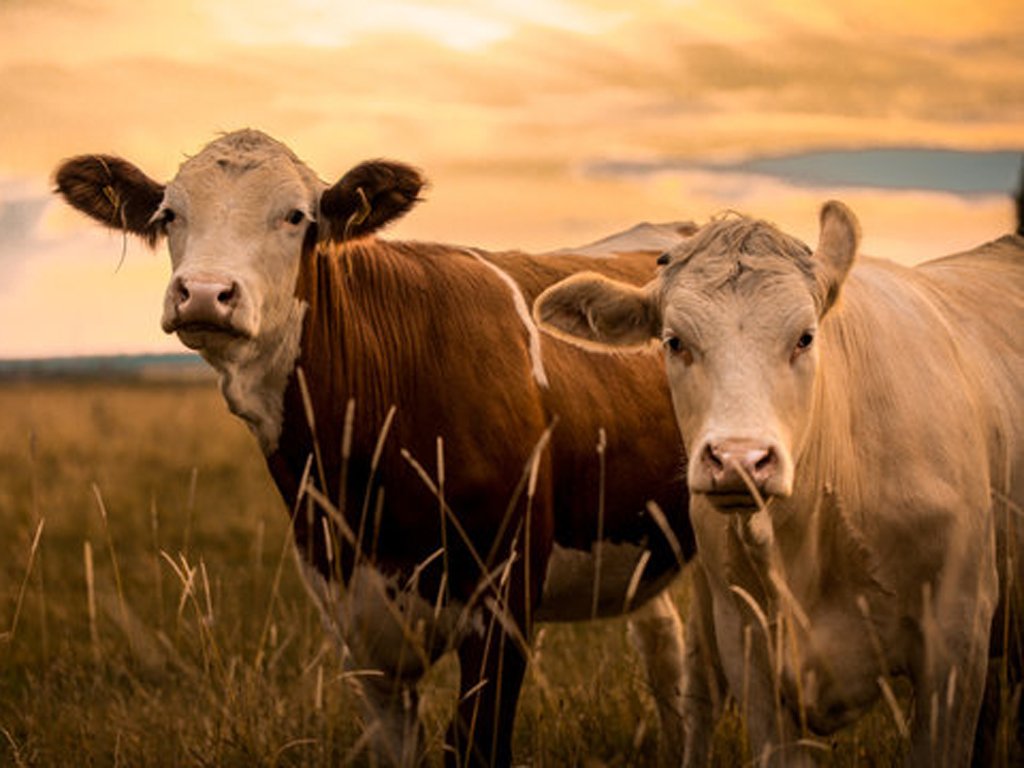
Livestock Research & Genetic Enhancement For a company heavily invested in exporting Halal Meat (beef, mutton, poultry), the primary R&D goal is to improve the source animals—the livestock—to ensure consistent, high-quality yields and traceability.
- Genetic Quality Assurance: Research focuses on monitoring and improving the genetic stock of cattle, buffaloes, sheep, and goats. This is essential for achieving higher meat-to-bone ratios and improving tenderness and flavor profiles demanded by export markets like the Middle East and China.
- Animal Nutrition & Feed Efficacy: A significant portion of R&D money is channeled into optimizing animal feed. This involves:
- Developing cost-effective forage conservation techniques (like silage production) to reduce reliance on fluctuating local markets.
- Researching non-antibiotic feed additives and natural supplements to promote growth, maintain gut health, and combat concerns over Antimicrobial Resistance (AMR), a critical issue for international meat certification.
- Traceability and Certification: Research programs are crucial for implementing traceability systems (like E-Tagging systems mentioned in the industry) from farm to processing, ensuring compliance with global standards like HACCP and specific Halal certification bodies (e.g., Jakim).